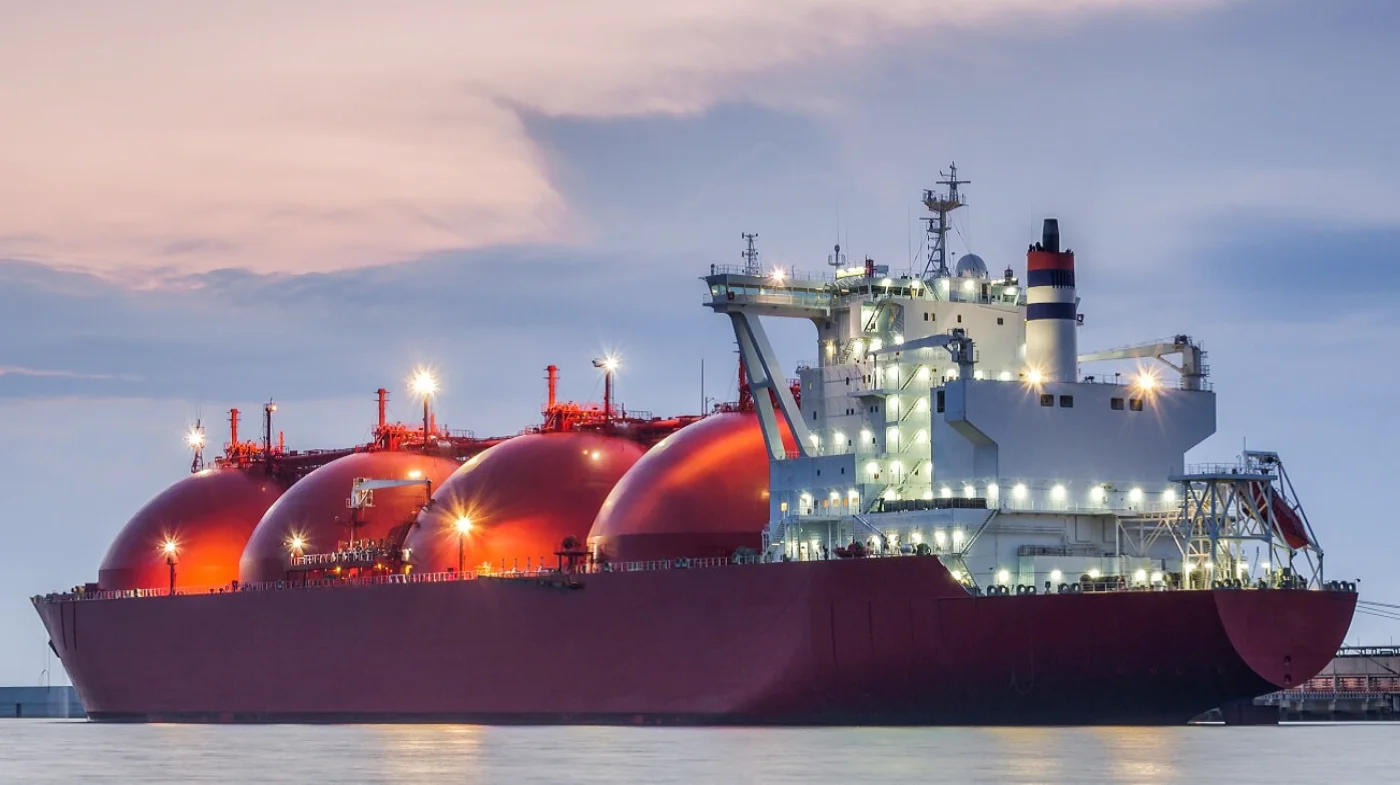
Liquefied Natural Gas (LNG) is Natural Gas that has been liquefied by cooled it to around -162°C (-260°F). This process reduces its volume by about 600 times, making it far easier and more economical to store and transport—especially across long distances where pipelines aren't feasible.
LNG sampling is vital for accurate Custody Transfer and financial fairness. It determines the gas composition, which affects energy content and pricing. Even a 1% error can cost hundreds of thousands of dollars. Precise, representative sampling—aligned with standards like ISO 8943—is essential to avoid costly mistakes and ensure safe, efficient operations.
The LNG Sampling & Vaporizing Probe must be engineered to maintain sample homogeneity at the probe outlet and prevent any compositional changes during transit from sample take off to probe outlet. Achieving this requires avoiding common pitfalls such as pre-vaporization and partial vaporization. These issues are primarily addressed by ensuring adequate sub-cooling at the sample extraction point and providing sufficient energy to deliver both the sensible and latent heat necessary for complete vaporization.
According to the GIIGNL Custody Transfer Handbook (6th edition, 2021), LNG auto sampling is a method used during custody transfer to obtain representative samples of liquefied natural gas for compositional analysis. LNG auto sampling is the automated process of collecting representative samples of vaporized natural gas from LNG Sampling & Vaporizing Probe. It ensures consistent, accurate sampling for quality control, custody transfer, and compositional analysis. There are different types of LNG Auto Samplers and the selection depends on the user specifications, based on their operational and contractual requirements.
"CONTACT US" - for your LNG Sampling needs